
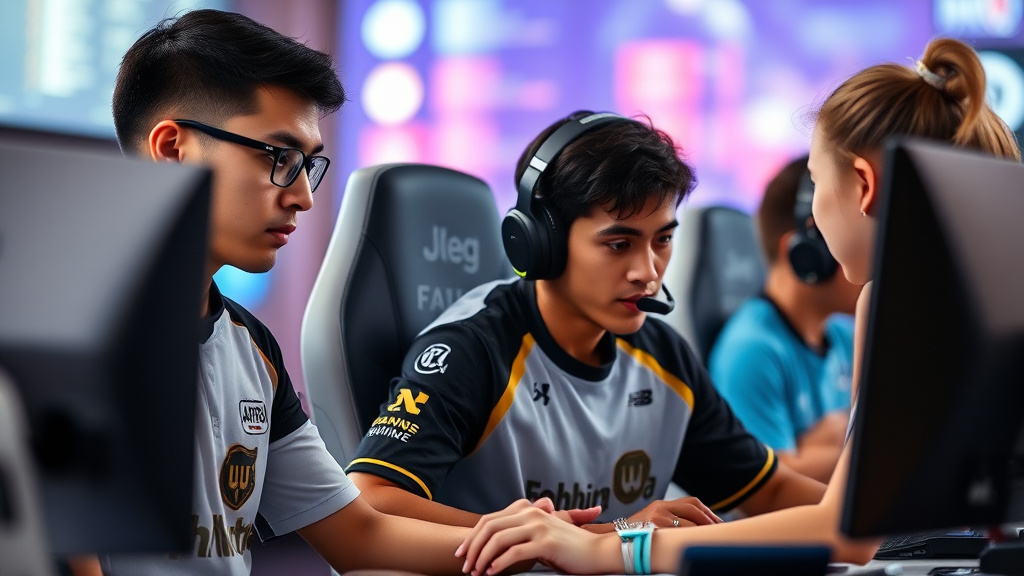
The esports industry is undergoing a significant transformation as leading teams emphasize player wellbeing like never before. Acknowledging the intense pressure, isolation, and burnout that competitive gaming demands, top organizations are now implementing comprehensive mental health support programs. From therapy options to health programs, these innovative approaches aim to destigmatize mental health conversations and provide players with essential resources. This shift marks a pivotal moment in esports culture, demonstrating that elite performance and psychological wellbeing can coexist.
Industry Acknowledgment of Psychological Health Crisis
The esports industry has increasingly recognized a critical mental health crisis impacting professional players globally. Professional gaming competition demands exceptional commitment, with players investing substantial time in training, competition, and streaming. This intense pressure often results in psychological strain, anxiety, and depression. Major organizations have recognized that overlooking these problems compromises both athlete health and business performance, prompting urgent action.
Recent studies and player accounts have highlighted the severity of mental wellness issues within esports. Many esports athletes report experiencing burnout, social isolation, and pressure-related anxiety at alarming rates. The intense competition of esports, combined with rigorous training regimens and constant oversight, creates a breeding ground for mental health struggles. Key stakeholders now recognize that confronting these challenges is vital for long-term development and player retention.
The social prejudice surrounding mental health in gaming has traditionally prevented players from accessing assistance. Many worried that discussing psychological struggles would hurt their professional reputation or competitive standing. This silence culture allowed problems to deteriorate, leading to player departures, career interruptions, and tragic outcomes. Industry recognition of this crisis represents a major transformation toward building supportive environments where getting support is accepted.
Modern organizations now view psychological wellness services as a competitive advantage rather than an optional benefit. Teams investing in comprehensive wellness programs report enhanced athletic output, higher retention rates, and improved team unity. By prioritizing psychological health alongside physical training, esports organizations are setting new standards for athlete care. This proactive approach demonstrates commitment to sustained athlete development and sector longevity.
The monetary commitment in mental wellness infrastructure indicates increasing awareness of its importance. Major professional organizations are allocating significant budgets for therapeutic support, mental evaluations, and health initiatives. This monetary investment signals that mental wellness is no longer an afterthought but a core organizational priority. Such allocations protect athlete wellbeing while cultivating more robust and resilient competitive environments.
Industry experts are partnering with mental health professionals to develop scientifically-grounded interventions tailored to esports culture. These partnerships guarantee that support programs tackle gaming-specific challenges while maintaining clinical rigor. By blending expertise from psychology, sports medicine, and gaming, organizations are creating holistic systems that truly meet player needs and improve industry-wide wellbeing standards.
Execution of Assistance Programs
Unified Counseling Programs
Major esports organizations are developing dedicated mental health teams consisting of qualified mental health professionals and performance psychologists who recognize the unique pressures of professional esports. These specialists engage with players to address competition-related stress, emotional regulation, and individual difficulties. Many organizations have implemented private therapy appointments both in-person and virtually, guaranteeing access for all team members. This comprehensive strategy enables players to access prompt assistance at competitions and throughout their competitive careers, cultivating a environment where getting support is accepted and promoted.
The counseling services go further than individual therapy to encompass group workshops and seminars centered on mental resilience and emotional intelligence. Organizations are investing in proactive mental health training, teaching players coping strategies before crisis situations develop. By creating these support systems early, teams show their commitment to comprehensive player growth. Additionally, many organizations collaborate with external mental health providers to guarantee objective, specialized care that preserves professional boundaries while delivering comprehensive treatment options tailored to esports athletes’ specific needs.
Health and Wellness Initiatives and Lifestyle Assistance
Comprehensive wellness initiatives now complement traditional mental health services, focusing on the physical and psychological factors that affect player performance and wellbeing. Organizations are implementing structured programs that include fitness coaching, dietary counseling, and rest improvement techniques. These comprehensive methods recognize that mental health is closely linked to physical health, lifestyle choices, and daily routines. By providing access to nutritionists, personal trainers, and sleep specialists, teams help players establish healthy habits that support both competitive excellence and long-term mental stability.
Beyond individual wellness services, organizations are building supportive team environments through collaborative events, mentorship programs, and collective development programs. Periodic team gatherings, meditation sessions, and stress-relief activities foster camaraderie while providing healthy outlets for managing workplace pressure. Some organizations have created peer support networks where experienced players support fresh talent, facilitating knowledge sharing about wellness resources and coping mechanisms. These multifaceted wellness programs show that organizations recognize mental health support demands collaborative approaches across multiple domains, establishing holistic frameworks designed for sustainable player wellbeing.
Effects and Prospects Ahead
The rollout of robust mental health programs is already showing measurable positive outcomes across the esports industry. Players share improved self-assurance, lower anxiety levels, and improved overall performance when they have access to professional mental wellness services. Organizations supporting these programs are witnessing higher player retention rates, stronger team cohesion, and stronger competitive results. This data-driven success is motivating other teams and leagues to adopt similar approaches, producing a widespread influence throughout the esports ecosystem.
Looking ahead, mental health support in esports is set to establish itself as an industry standard rather than a competitive advantage. As awareness increases and stigma declines, we can expect increasingly tailored, customized mental health programs designed for individual player needs. The combination of technology, peer support networks, and professional clinical services will create holistic wellness ecosystems. This evolution promises a healthier, more sustainable future for esports professionals across the globe.
Key Advantages and Progress
- Minimized player burnout and enhanced sustained career longevity
- Enhanced team performance through better psychological resilience training
- Boosted player recruitment and retention in top-tier teams
- Reduction of stigma of psychological health dialogue within gaming communities
- Development of scientifically-grounded approaches specific to esports demands
The shift in culture mental health awareness in esports extends beyond individual players to influence entire organizational structures. Teams are restructuring training schedules, implementing mandatory rest periods, and establishing inclusive team spaces that focus on mental wellness. Coaches and management are getting informed on identifying psychological difficulties and responding appropriately. This organizational strategy ensures that wellness support is embedded throughout organizational culture rather than functioning as separate programs.
As esports sustains its upward momentum, the foundation created by these mental health initiatives will prove invaluable. Future generations of esports professionals will advantage from mainstream mental health approaches, easy-to-access support, and supportive communities. The industry’s commitment to player wellbeing sets a compelling model for alternative sports sectors, showing that success and mental health are complementary rather than contradictory goals. This transformation represents a critical juncture in esports history.
