
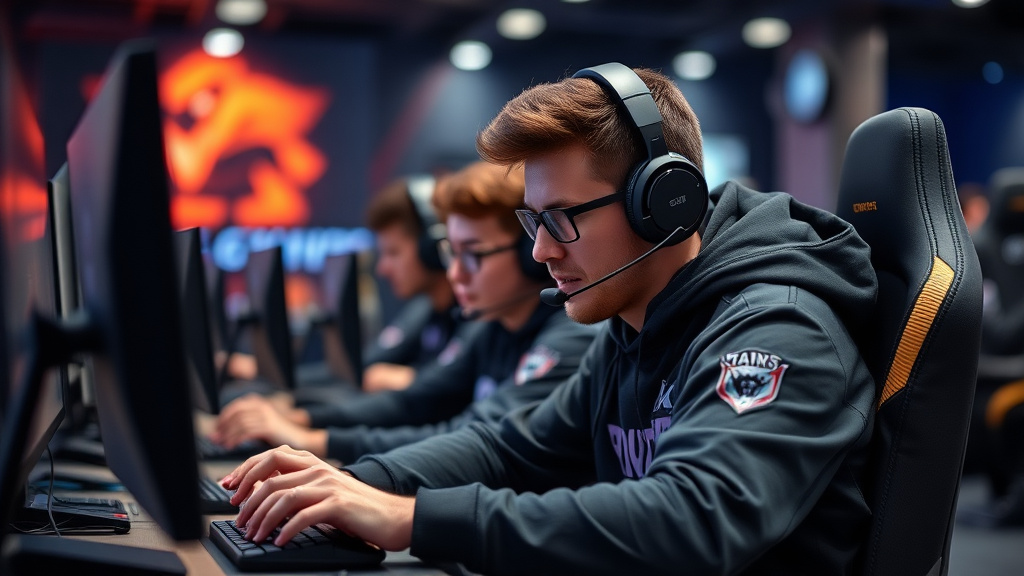
The esports industry has become a multibillion-dollar sector, and premier esports franchises are now spending similar to established sports organizations. From state-of-the-art practice facilities equipped with advanced equipment to specialized coaching staff and sports psychologists, professional gaming teams are leaving no stone unturned in their pursuit of championship success. This article examines how these major capital outlays in infrastructure and personnel are transforming the competitive gaming sector and setting new standards for competitor advancement and competitive results.
The Emergence of Professional Gaming Infrastructure
The evolution of professional gaming has mirrored traditional sports in its structural growth. Top esports organizations now manage sprawling training complexes featuring top-tier gaming systems, advanced networking systems, and dedicated practice areas. These facilities represent millions of dollars in capital investment, showcasing the industry’s evolution and the competitive necessity for teams to provide ideal conditions where players can hone their skills and achieve peak performance levels.
Spending on gaming infrastructure extends beyond physical spaces to include comprehensive technological ecosystems. Teams deploy specialized software for performance measurement, video analysis systems, and communication platforms that enable seamless coordination among players and coaching staff. This technological backbone supports data-driven training methodologies, enabling organizations to measure player data, pinpoint areas for improvement, and create customized approaches that enhance competitive outcomes and sustain long-term player development trajectories.
Cutting-Edge Training Facilities
Modern esports training facilities rival professional sports complexes in their sophistication and design. Teams commit funding to custom-built gaming stations featuring high-end accessories, advanced display technology, and ergonomic furniture designed to reduce strain during prolonged training periods. Temperature-regulated spaces, specialized lighting systems, and sound management solutions create ideal settings for concentration and performance, while dedicated spaces accommodate team meetings, strategy sessions, and wellness initiatives critical to maintaining competitive readiness.
Beyond gaming stations, professional facilities include comprehensive amenities supporting competitor health and group unity. Dedicated spaces for physical conditioning, food services, and psychological assistance reflect integrated methods to competitor advancement. Many organizations include lounge areas, broadcast facilities, and press areas, recognizing that professional gamers demand varied facilities supporting both competitive training and content creation, ultimately boosting competitive identity and financial growth prospects.
Professional Coaching and Support Teams
Professional gaming teams now employ specialized coaching staff similar to traditional sports organizations. Head coaches create strategic frameworks and tactical approaches during matches, while position-specific coaches collaborate with individual players on technical proficiency and role-specific expertise. Support coaches manage team dynamics and communication standards, ensuring unified team performance. Additionally, teams employ sports psychologists and mental performance coaches who tackle pressure management, self-assurance development, and psychological resilience—key elements determining success in high-stakes competitive environments.
Support staff goes further than coaching to include analysts, nutritionists, and athletic conditioning specialists. Game analysts analyze competitor video develop counter-strategies and provide real-time tactical adjustments during competitions. Sports nutritionists optimize player diet and hydration for cognitive performance and consistent endurance. This comprehensive support network recognizes that professional gaming success demands focus on physical health, mental preparation, and strategic analysis, reflecting investments traditional sports organizations make in player development and competitive excellence.
Market Dynamics and Capital Investment
The economic environment of professional gaming has undergone a dramatic shift, with teams allocating substantial investment toward facility upgrades and talent cultivation. Major esports organizations now spend substantial sums each year in state-of-the-art training facilities, advanced gaming hardware, and sophisticated analytics platforms. These investments demonstrate the industry’s maturation and the competitive pressures teams face to sustain peak performance. Organizations understand that top-tier infrastructure strongly connect with enhanced athlete results, talent acquisition strength, and overall team success in increasingly competitive tournaments.
Beyond physical infrastructure, teams are investing considerable resources to robust coaching and support systems. This includes head coaches, assistant coaches, sports psychologists, dietary specialists, and performance consultants working together to maximize player performance. The financial commitment extends to athlete compensation, sponsorship contracts, and promotional efforts that increase team prominence. Such comprehensive investment strategies demonstrate that esports organizations now operate with the same financial rigor and strategic planning as established sports organizations, ensuring sustainable competitive advantages.
