
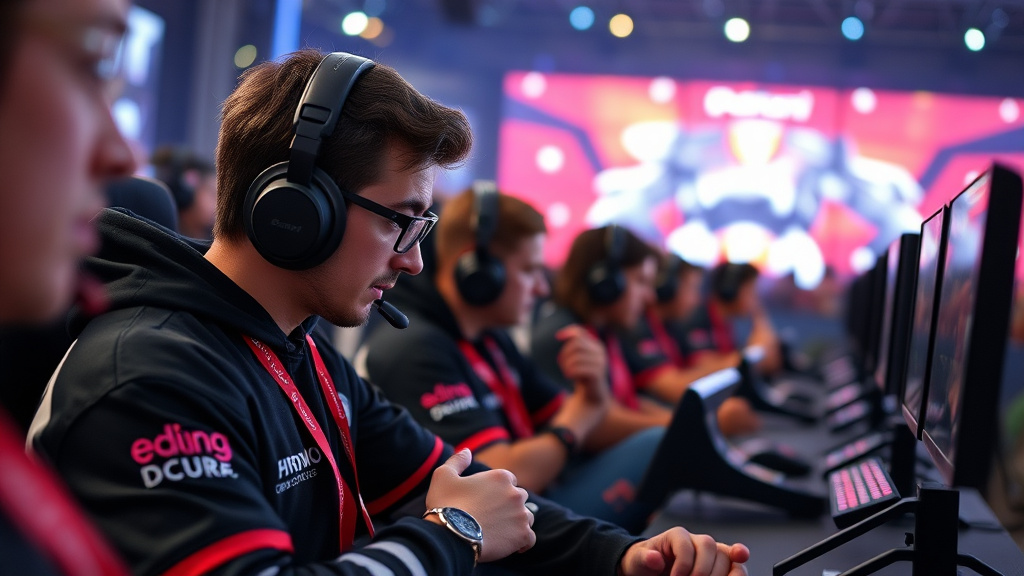
The gaming mobile terrain has undergone a significant transformation, evolving from casual entertainment into a competitive force that competes with traditional esports. Mobile esports tournaments now captivate vast numbers of players globally, generating record-breaking sponsorship opportunities from major brands keen to access this lucrative market. From PUBG Mobile to Call of Duty: Mobile, these competitions showcase top-tier gameplay while attracting multimillion dollar funding. This article explores how mobile esports has emerged as a industry disruptor, analyzing the rapid expansion, competitive ecosystem, and business collaborations transforming the industry.
The Growth of Mobile Gaming Competitions
The smartphone gaming industry has experienced exponential growth over the past decade, evolving from a specialized gaming sector into a global phenomenon. Smartphones and tablets have become capable gaming platforms, enabling developers to create sophisticated competitive experiences once exclusive for consoles and PCs. This technical progress democratized esports, enabling players globally to compete at professional levels without expensive equipment. Major titles like PUBG Mobile, Call of Duty: Mobile, and Clash Royale have built strong competitive ecosystems, drawing in millions of passionate players pursuing recognition and monetary compensation through competitive tournaments and sponsorship opportunities.
Mobile esports tournaments have shattered traditional viewership records, with some events attracting over 100 million concurrent viewers globally. The availability of mobile platforms means players from emerging markets can compete alongside established esports professionals, fostering unprecedented diversity in competitive gaming. Tournament organizers have responded by investing heavily in broadcasting capabilities, prize pools, and technical infrastructure to match traditional esports standards. This formalization has legitimized mobile gaming as a serious competitive discipline, prompting major technology companies, beverage brands, and automotive manufacturers to allocate major funding in sponsorship deals and marketing collaborations within the mobile esports ecosystem.
The market environment has evolved dramatically with the emergence of mobile-focused esports organizations and franchised teams. Organizations like Mobile Legends Professional League and PUBG Mobile World Championship function using frameworks that mirror conventional sports organizations, featuring wage limits, player contracts, and season-based structures. These organized tournaments deliver predictability and stability that attract both players seeking careers and investors seeking long-term returns. Professional players now generate significant earnings through competition prize pools, streaming revenues, and endorsement agreements, transforming mobile gaming from a pastime to a viable career path for talented individuals worldwide.
Sponsorship deals in mobile esports have attained unprecedented levels, with major corporations recognizing the demographic value of this audience. Energy drink companies, telecommunications firms, and gaming peripheral manufacturers vie intensely for visibility within mobile esports transmissions and events. Prize pools have grown exponentially, with some tournaments offering multi-million-dollar rewards that rival traditional esports championships. This financial influx has created a self-reinforcing cycle where greater funding attracts better talent, which generates higher viewership, ultimately attracting more sponsorship opportunities and further enhancing the competitive standards within mobile gaming.
Regional differences in mobile esports interests have developed distinct competitive markets with distinctive features and competitive rosters. Southeast Asia dominates mobile esports involvement, with countries like the Philippines, Indonesia, and Thailand developing exceptional talent across multiple titles. China represents the largest market by revenue, hosting massive tournaments with major investment from local technology giants. Meanwhile, Western markets are significantly increasing their mobile esports presence, with North America and Europe developing competitive scenes around titles like Call of Duty: Mobile and Fortnite, forming a truly global competitive ecosystem.
The technological infrastructure powering mobile esports continues advancing rapidly, with 5G networks enabling reduced lag and more stable competitive environments. Cloud gaming technologies are poised to further democratize professional competition by lowering hardware barriers for up-and-coming athletes. Tournament organizers invest in anti-fraud mechanisms, fair play monitoring, and protected infrastructure to uphold competitive integrity. These technical enhancements strengthen player experience and viewer confidence, rendering mobile esports growing in appeal to mainstream audiences and corporate sponsors looking for association with advanced competition that combines technology, competition, and international scope.
Premier Events and Prize Money
Global Competition Overview
The mobile esports ecosystem has experienced an surge of elite tournaments offering exceptional prize pools. Events like the Call of Duty: Mobile World Championship have established themselves as leading competitions, attracting elite teams from around the world. These tournaments feature substantial seven-figure prize pools, with some exceeding $10 million annually. The competitive structure parallels traditional esports, including regional qualifiers, group stages, and international finals that engage audiences worldwide through streaming platforms and media deals.
Major tournaments have emerged as cultural phenomena, attracting viewership comparable to traditional sports events. The International PUBG Mobile Invitational regularly draws millions of concurrent viewers, demonstrating the immense appeal of mobile competitive gaming. Prize distribution has become increasingly generous, with top-performing teams earning substantial winnings that rival traditional esports earnings. This financial growth has legitimized mobile esports as a viable career path for professional players, encouraging more individuals to pursue competitive mobile gaming seriously.
Sponsorship and Financial Development
Corporate sponsorships have emerged as the financial backbone of mobile esports tournaments, with major brands acknowledging the demographic value of mobile gaming audiences. Technology companies, energy drink manufacturers, and lifestyle brands have poured significant resources in tournament sponsorships and team partnerships. These sponsorship deals surpass prize pool funding, covering broadcast rights, merchandise partnerships, and exclusive content creation opportunities. The surge in brand funding has elevated the standards of tournament organization, facilitating better production quality and player compensation structures.
Funding for mobile esports tournaments continues accelerating, with major investors and gaming firms funding esports organizers and tournament platforms. Brands view mobile esports as a critical marketing channel to connect with Gen Z and millennial audiences, especially in Asia and developing regions where mobile gaming is prevalent. Sponsorship deals have become increasingly sophisticated, providing analytics insights, engagement data, and coordinated marketing efforts. This commercial evolution has converted mobile esports from community-driven competitions to polished, professionally managed events on par with established sports media standards.
Sponsorship Growth and Industry Impact
Major Brand Financial Allocations
The surge in commercial investments into mobile esports has reached unprecedented levels, with leading companies acknowledging the audience goldmine these tournaments embody. Tech leaders, beverage firms, and car makers are pouring resources to capitalize on the rapid expansion of mobile gaming. These collaborations transcend conventional marketing, including team sponsorships, event naming rights, and unique in-game partnerships. The financial commitment from leading enterprises establishes mobile esports as a credible entertainment industry, equivalent to mainstream athletics in terms of fan involvement and revenue prospects.
Financial flows from brand partnerships have fundamentally transformed the mobile esports ecosystem, facilitating professional players to secure significant income and supporting tournament infrastructure development. Prize pools for prominent mobile competitions now exceed millions of dollars, attracting top-tier talent from around the globe. Brands leverage these partnerships to reach younger demographics aged 13-35, who represent the core mobile gaming audience. This capital investment has created sustainable career paths for esports athletes, coaches, and content creators, establishing mobile esports as a recognized profession.
Financial and Cultural Significance
Mobile esports tournaments create substantial financial influence beyond primary sponsorship earnings, driving expansion in peripheral industries including broadcast services, merchandise, and hospitality services. The worldwide mobile gaming competition market is forecast to reach $5 billion annually by 2025, driven largely by sponsorship agreements and media rights agreements. Regional tournaments in Asia, Europe, and North America create employment opportunities and strengthen regional economic growth through event hosting. This financial growth illustrates mobile esports’ ability to establish long-term commercial environments that benefit various parties across the entertainment industry.
Culturally, mobile esports has enhanced gaming’s status within mainstream society, reshaping traditional perceptions of competitive gaming as niche entertainment. Sponsorship visibility during premier competitions legitimizes esports viewership among wider demographics, including non-gamers interested in competitive spectacle. Youth increasingly view professional mobile esports players as legitimate athletes and aspirational figures, comparable to traditional sports celebrities. This broader transformation has led academic bodies and governments to recognize esports’ promise, leading to funding opportunities, training facilities, and regulatory structures supporting the industry’s continued expansion.
